It wasn’t sciatica.
Too often, women get misdiagnosed.
Their pain is worse when sitting and getting up. It radiates to the side of their hip and thigh. It’s bad at night when lying on their side. They recently have taken up power walking and weight training and have noticed more and more discomfort when walking for a long time, to the point they have to stop.
And they are annoyed that they can’t get ahead with the exercise they enjoy, to prevent osteoporosis.
Not only are they going through hormonal changes, but they are also experiencing disrupted sleep. Yes, they have started HRT with the help of their GP. But this pain is stopping them.
When seeing their physio for the first time, it becomes clear: their pain is coming from their hip. The hip muscles attaching on the side of the femur, the greater trochanter and their gluteal medius tendon. They have lost strength and when they stand on one leg, their pelvis is dropping, causing a stretch in their gluteal tendon and pain to the side of their thigh. This is called Greater trochanter pain syndrome.
Greater trochanteric pain syndrome (GTPS) is a common cause of lateral hip pain, seen more commonly in females between the ages of 40 and 60.
The LEAP trial (Mellor et al., 2018, published in the BMJ) is the landmark RCT on this condition, conducted right here in Australia. It compared the effects of a programme of load management education plus exercise, corticosteroid injection, and a "wait and see" approach on pain and global improvement in individuals with gluteal tendinopathy. PubMed This study has established what we have known for some time. At 8 weeks, 77% of the education-plus-exercise group were at least "moderately better," compared with 58% in the injection group and just 29% in the "wait and see" group, with improvements maintained at one year.
Proven tips to improve greater trochanter pain:
Stop doing what aggravates it!
The muscles get stretched when we sit in low seats, stand with our weight on one leg, or cross our legs for a period of time. What we have to understand is that the tendons are being pressed against the greater trochanter, creating an increased load on the tendons.
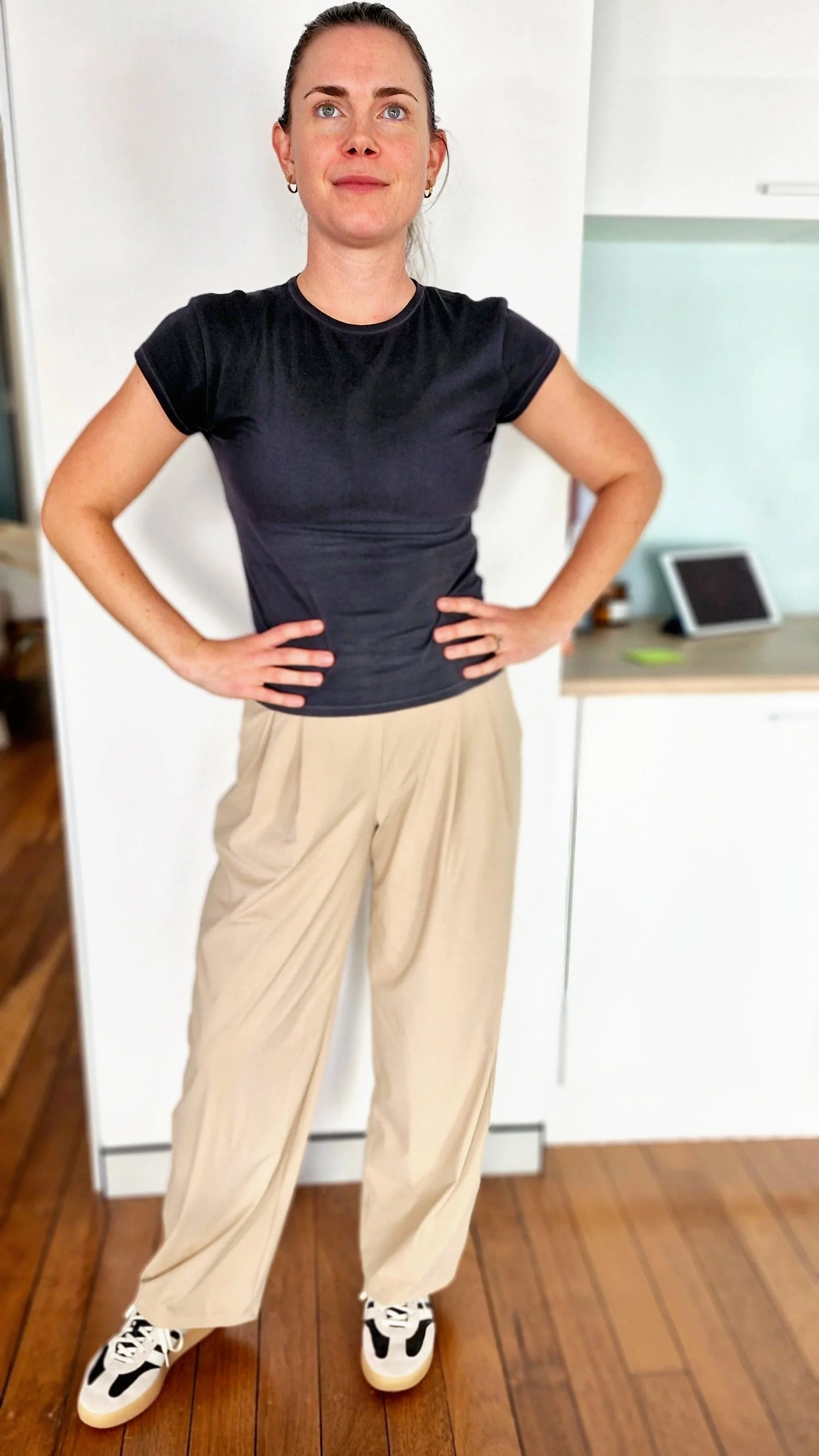
Too much load on the tendons make them go weaker and painful.
What to do:
Take shorter steps
Don’t cross your legs or sit in bucket seats!
When walking up stairs, use the railing to hold on: this redistributes the weight
Don’t lean on one side: Distribute the weight evenly when standing
Start the LEAP program, step by step with your physio.
We will identify where the weakenss is, and meet you where you are at. The program is very gradual, and it adds motor control and awareness. It is a progressive loading program which spans for longer than 12 weeks.
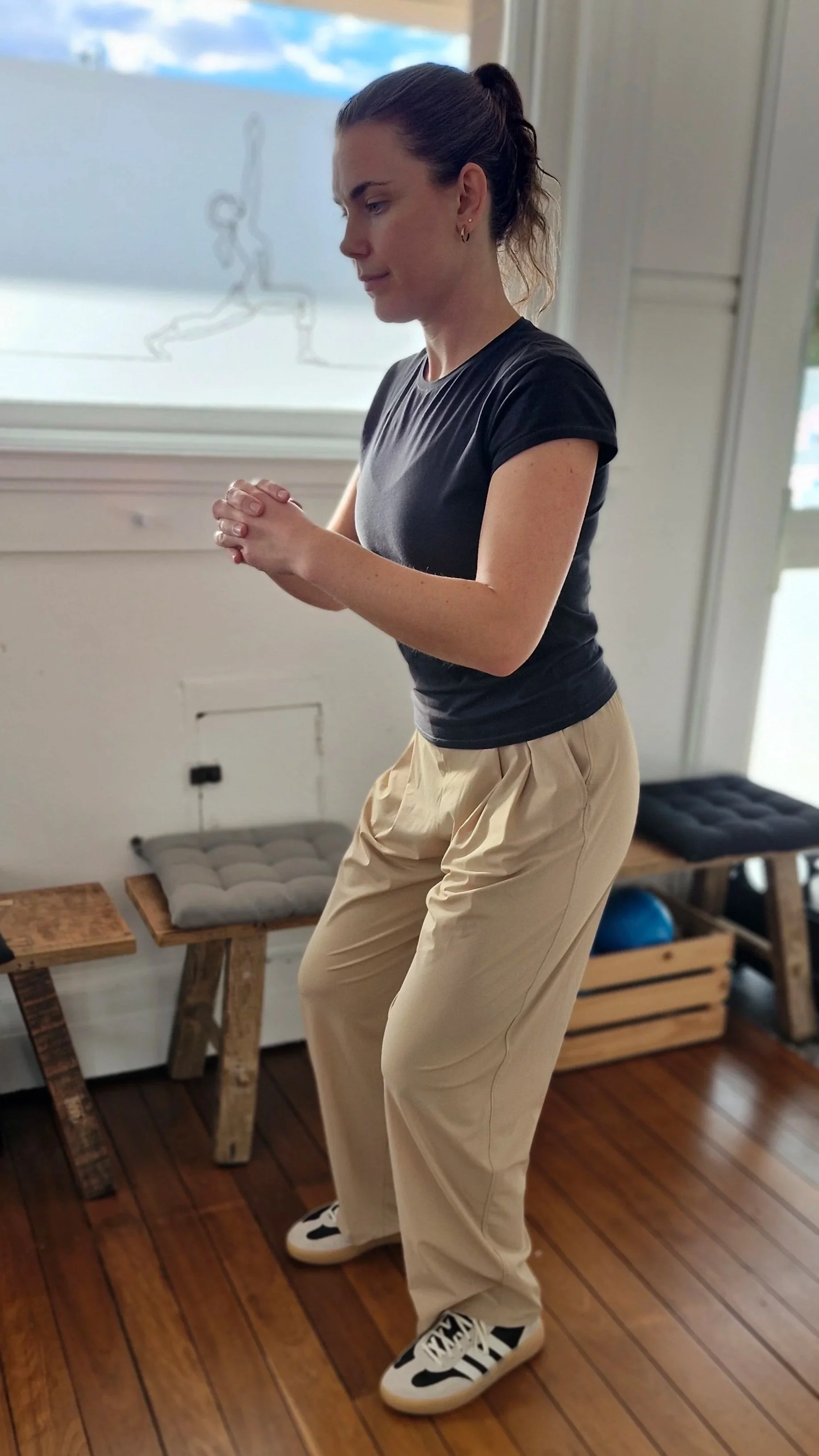
Mini squats
The exercises are easy to do,
but need your concentration!
It involves:
Doing an imaginary ‘split’ to wake up your gluteal muscles.
Stepping to the side and keeping your best posture.
Doing glut bridges.
Adding mini squats.
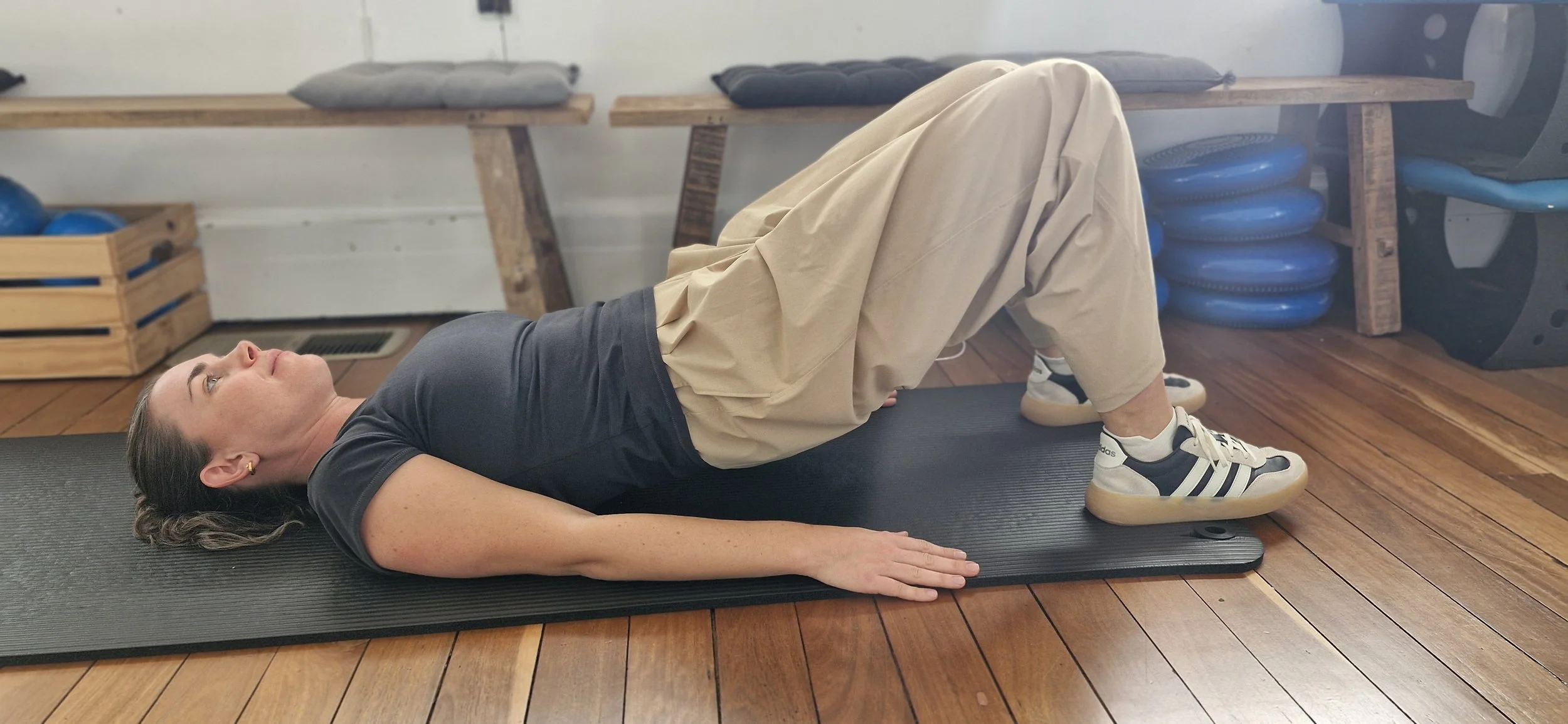
Hip strengthening exercises
The bridge is easy to do, with the right guidance.
The results are always surprising for our patients. After putting up with their pain, or even thinking they had nerve pain and back problems, their tendon gets stronger, they can walk longer, and they can go back to their oh so important weight training.
If you want to know more about how physio can help you, contact us.