How Jen got her strength back
"I Thought It Was Just My Shoulder" — How Jen Got Her Strength (and Sleep) Back
Jen came to us frustrated.
She'd been dealing with a frozen shoulder for months — the kind that makes getting dressed feel like a battle, that wakes you up at 3am when you roll over, that slowly chips away at the things you love doing. She'd stopped her classes. Stopped most exercise, really. What was the point when everything hurt?
But Jen is the kind of woman who asks questions. And when she sat down with her GP, the conversation went deeper than her shoulder.
She mentioned the sleep problems. The stiffness that seemed to be everywhere, not just her arm. The way her body just felt… different. Her GP listened, and together they started exploring HRT. It turned out hormones had quite a lot to say about what was going on.
Here's something we talk about a lot in our clinic: frozen shoulder is significantly more common in women between 45 and 60. It's not a coincidence. Oestrogen plays a powerful role in how our tendons, connective tissue, and joints behave. When levels shift — as they do in perimenopause and menopause — the body can become more vulnerable to conditions exactly like this. The shoulder is often the first place it shows up. Sometimes it's the thing that opens the door to a much bigger conversation.
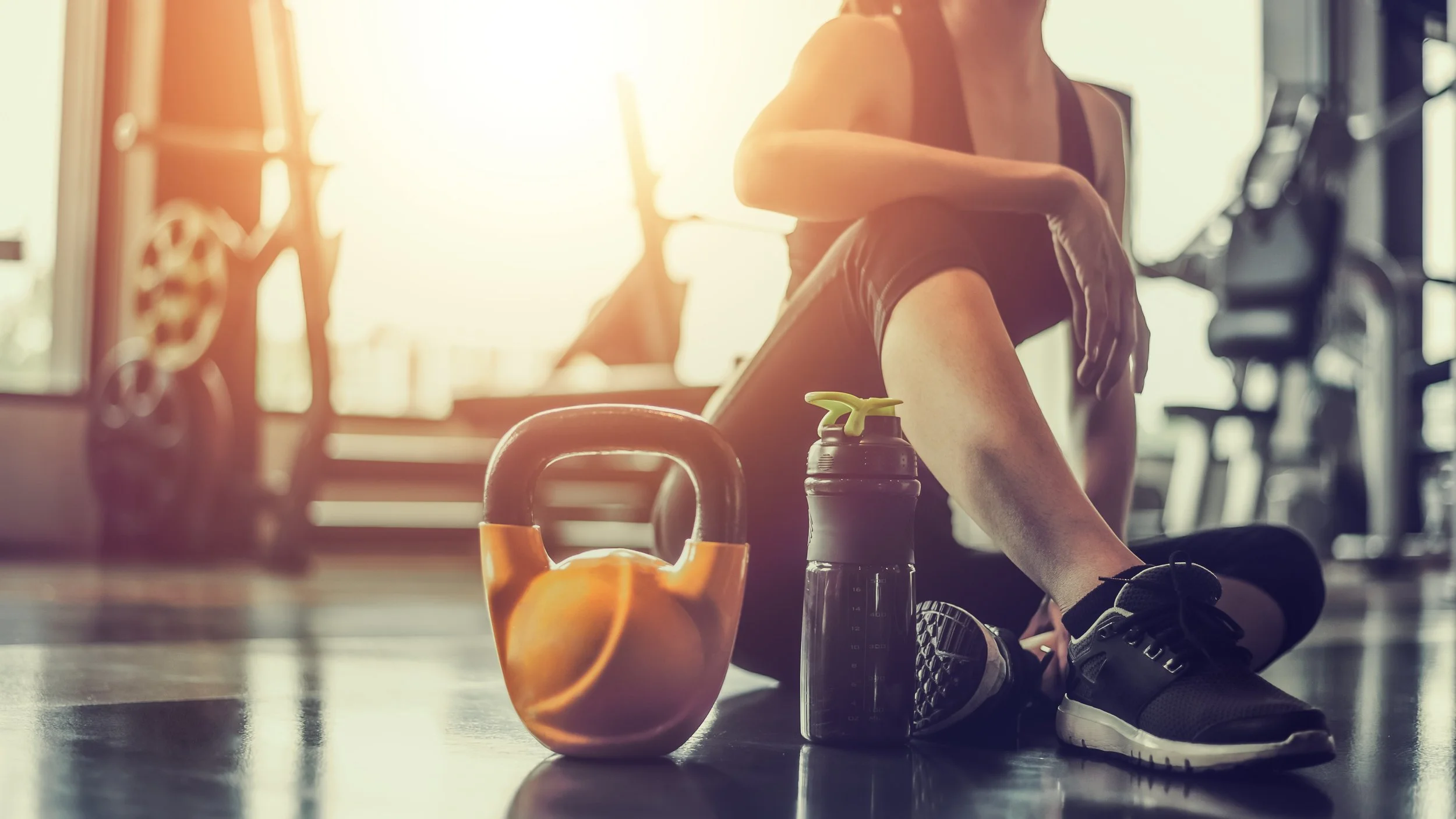
It started with a frozen shoulder. It ended with strength she didn't know she had.
Once Jen felt ready, she joined our Move Strong classes. We didn't throw her in the deep end. We started with targeted strengthening — work that respected where her shoulder was at, while building the foundation her whole body had been missing during months of limited movement. We paid attention to her load, her sleep, her energy levels. Progress in this season of life isn't always linear, and we know that.
A few months on, Jen is lifting things she couldn't lift before. She's sleeping better. She described it recently as feeling like herself again — but a stronger version.
What we want you to take from Jen's story isn't that everyone needs HRT, or that a frozen shoulder is always hormonal. It's that your symptoms are worth exploring properly. That pain, stiffness, poor sleep, and feeling like your body has changed on you — these things are connected. And when you work with people who understand those connections, the outcomes are different.
If something in Jen's story sounds familiar, we'd love to talk.